Service Overview
Artificial Turf Infill Replenishment in Irving, TX
Artificial turf without proper infill is like a mattress without springs — the surface feels wrong, drains slowly, and the fibers flatten under use. Infill replenishment is one of the most neglected and most impactful maintenance services for South Irving turf owners.
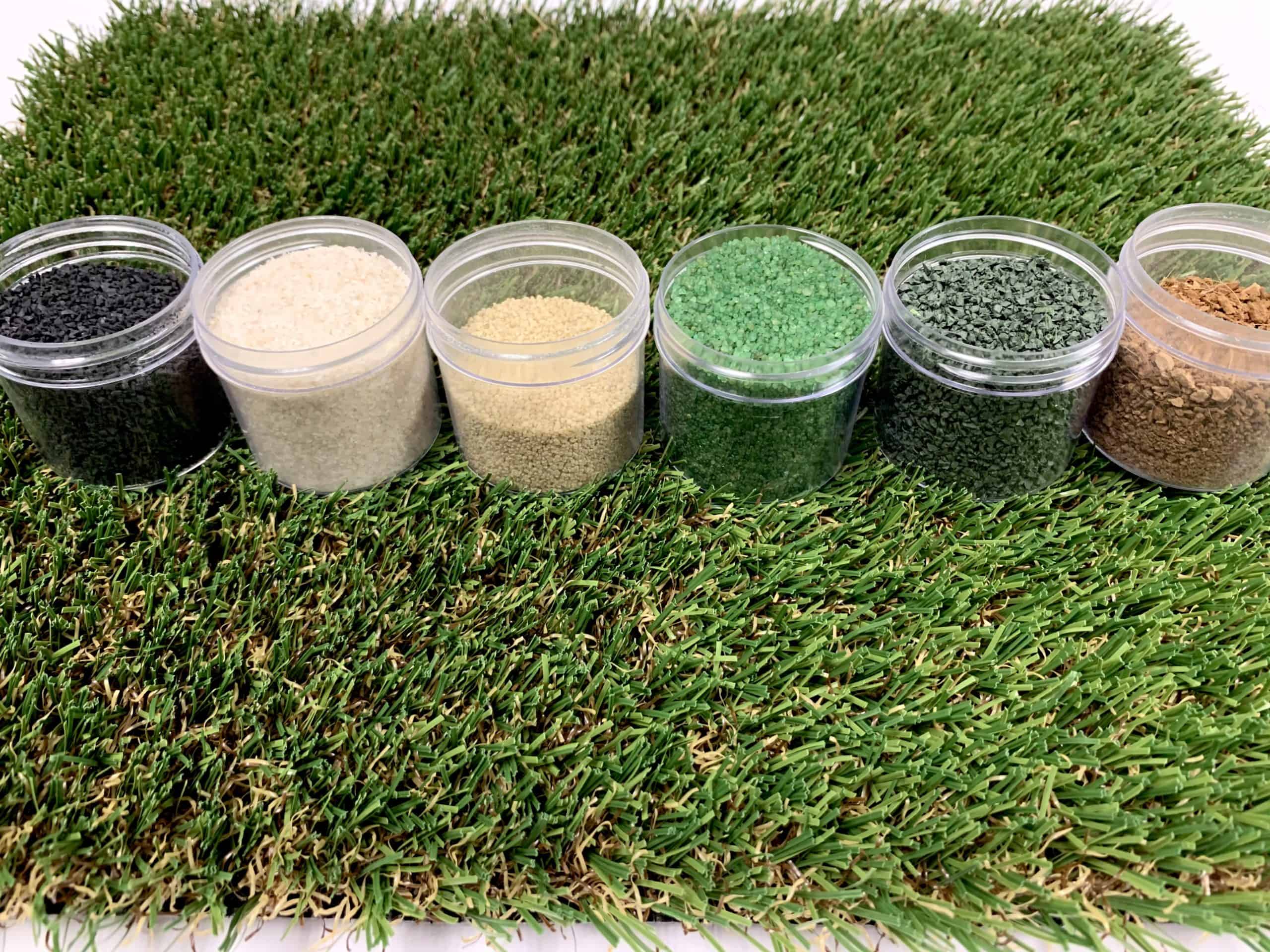
Most homeowners who have had artificial turf for more than three years have not thought about infill replenishment. The turf still looks green. It still covers the ground. But it has started to feel different underfoot — firmer in some spots, matted in the high-traffic corridors, slower draining after a heavy rain. The culprit is almost always infill depletion. Infill — the granular material that sits between the turf fibers — migrates over time through foot traffic, wind, and rain events. It also breaks down and compacts in high-use zones. When infill levels drop below the correct depth for the product, the surface performance changes in ways that are noticeable but hard to diagnose if you do not know what to look for.
In South Irving's climate, infill migration is accelerated by two factors that are particularly pronounced in this part of the DFW area. First, the wind patterns in the Irving corridor — particularly in spring — are strong enough to carry lightweight silica granules across a residential yard over time, accumulating the infill downwind and depleting it upwind. Second, the intense summer rain events that hit South Irving several times a year during storm season flush surface infill through the drainage perforations and into the aggregate base below, effectively removing material from the active layer. Neither of these processes is fast enough to be visible in a single event, but over three to five years they produce measurable depletion.
Infill replenishment is a technical service, not just a matter of dumping more material on the surface. The correct infill type for your specific turf product matters — not every infill material is compatible with every turf backing, and using the wrong product can affect both performance and warranty. The correct depth for your pile height and intended use matters — pet turf, athletic surfaces, and decorative lawn turf all require different infill calibration. The application method matters — infill needs to be worked into the turf fiber structure evenly, not just spread on the surface, which requires mechanical brushing during and after application.
We assess existing infill levels across the whole surface before recommending a replenishment scope. In a typical South Irving residential installation that is three to seven years old with no prior professional maintenance, we often find that infill is adequate in low-traffic zones like landscape borders and fence-line strips, but significantly depleted in the high-traffic corridors — the primary foot path, the area around outdoor seating, the pet zone. A targeted replenishment approach addresses the depleted zones specifically rather than applying material uniformly across the entire surface.
For pet areas specifically, infill replenishment is not just about cushion and drainage performance. The antimicrobial properties of pet-grade infill products decrease over time as the active material is depleted or loses effectiveness through repeated exposure to pet waste. Periodic infill refresh in pet zones restores both the physical performance and the odor-control function that makes pet turf tolerable to live with long-term. If your pet area has started smelling noticeably between cleanings, low infill — specifically low antimicrobial infill — is often the cause.
For athletic and sports use surfaces — the fields, the multi-use pads, the backyard practice greens and sport courts that many South Irving families have — infill depletion affects player safety, not just aesthetics. G-max readings on depleted surfaces consistently show higher impact force transmission than on properly infilled surfaces, meaning the cushioning that synthetic turf is supposed to provide is reduced. Restoring infill on an athletic surface is a safety intervention, not merely cosmetic.
If your turf is more than three years old and has never had a professional infill assessment, contact us. The assessment is straightforward and the cost of a targeted replenishment is far lower than the cost of replacing a surface that failed prematurely because the infill system was never maintained.
Where This Work Delivers Value
Infill Migration Patterns in South Irving
Irving's wind corridor and summer storm events accelerate infill migration in predictable directions. We understand local site conditions when assessing depletion patterns.
Targeted Replenishment, Not Blanket Application
We map infill levels across the surface and address depleted zones specifically rather than applying material uniformly — more effective and more economical.
Pet Zone Antimicrobial Restoration
Antimicrobial infill properties diminish over time. Periodic infill refresh in pet areas restores both cushion performance and the odor-control function that makes pet turf practical.
Project Benefits
Restored Drainage Performance
Proper infill depth is part of the drainage system. Depleted infill reduces drainage rates measurably. Replenishment restores designed drainage performance.
Reduced Surface Hardness
Compacted, depleted infill makes the surface feel and measure harder. Replenishment restores the cushioning properties that protect users from impact.
Extended Surface Life
Turf fiber that lacks infill support collapses and abrades faster. Maintaining infill levels extends the service life of the turf backing and fiber significantly.
Execution Process
- 01
Infill Depth Assessment
We probe infill depth at multiple points across the surface, mapping the depletion pattern and identifying zones that require priority attention.
- 02
Product Matching and Volume Calculation
Infill product is selected to match your existing turf backing and intended use. Volume is calculated for targeted zone replenishment or full-surface restoration.
- 03
Application and Mechanical Integration
Infill is applied in lifts and mechanically brushed into the turf fiber structure at each pass to ensure even distribution at the correct depth throughout the pile.
- 04
Surface Grooming and Final Check
A final grooming pass restores fiber orientation after infill work. Drainage is tested at completion to confirm performance has been restored.
Frequently Asked Questions
How do I know if my turf needs infill replenishment?
Signs include: the surface feeling firmer than it used to, drainage noticeably slower after rain, turf fibers lying flat in high-traffic zones, or the surface looking matted rather than upright. Any of these in a turf installation more than three years old warrants an infill assessment.
What type of infill should I use for my existing turf?
That depends on your specific turf product, its pile height, and your intended use. Using the wrong infill can affect drainage, feel, and in some cases void the turf warranty. We identify the correct product during the assessment.
How often should infill be replenished?
For a well-maintained residential lawn surface with moderate traffic, infill assessment every two to three years and targeted replenishment as needed is a reasonable schedule. Athletic surfaces and pet areas may need assessment annually.