
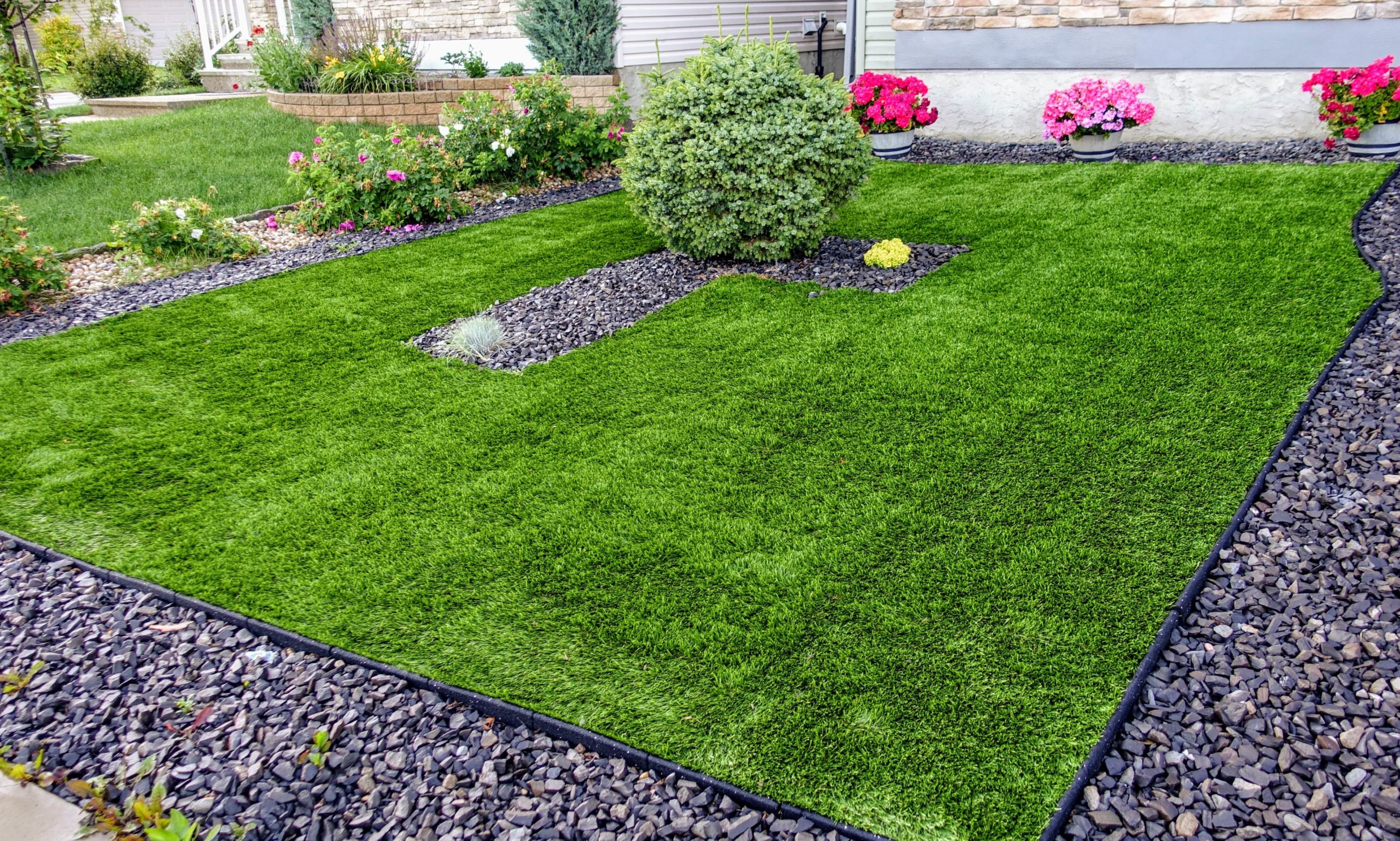
Service Overview
Artificial Turf Drainage System Installation in Irving, TX
South Irving and the older neighborhoods along the Trinity River corridor deal with drainage challenges that generic turf installations ignore. Getting water management right from the start is what separates a turf installation that stays solid from one that starts failing after the first hard rain.
Drainage is the most under-discussed aspect of artificial turf installation and the most common root cause of early installation failures. South Irving's topography — relatively flat with clay-heavy soils in many residential areas — creates water management challenges that are different from the sandy-loam suburban lots further north in the DFW corridor. When turf is installed without adequate drainage planning on a clay-heavy South Irving lot, water pools under the surface after heavy rain events, creating instability in the aggregate base, accelerating edge lift, and eventually producing visible depressions as the waterlogged base shifts.
Turf Installation of Irving treats drainage system design as a primary project element, not an afterthought. Before any base preparation begins, we assess the natural flow direction of the site, identify existing drainage infrastructure — channels, curb cuts, area drains — and design the drainage layer and base grade specifically to direct water through the turf system and toward appropriate discharge points. This design work happens in the planning phase, not on installation day.
The drainage system in a properly installed turf project has three components working together. The first is the surface-level drainage through the turf backing itself — quality turf products have perforated backing that allows water to pass through at a rate measured in inches per hour. Product selection matters here: low-quality turf backing with inadequate perforation rate is the source of many standing-water complaints. The second component is the aggregate base layer — typically crushed granite or angular aggregate — that acts as a reservoir and allows water to flow laterally toward the discharge point. The base must be sized appropriately for the surface area it serves and the volume of a design storm event. The third component is the grade of the entire installation — water that cannot find a downhill path to a discharge point will pool regardless of how good the surface drainage and aggregate base are.
For South Irving lots with significant clay content in the underlying soil, we sometimes recommend an additional measure: a geotextile-lined drainage basin or French drain system connected to the aggregate base layer, which provides a structured path for water that cannot percolate into the underlying clay. This adds cost but eliminates the pooling problems that are otherwise likely to develop in these soil conditions. We discuss this during the site assessment and give you a clear picture of what each option costs and what it provides.
Commercial properties and athletic facilities in the South Irving area — the medical campus zone, the school athletic facilities, the neighborhood parks — have drainage requirements that are more stringent than residential installations. Athletic field drainage must meet performance standards for how quickly the surface clears after a rain event. Medical office properties have curb and hardscape transitions that require careful management to prevent water from pooling at building foundations. We design drainage systems for these commercial applications with the same level of engineering attention we bring to challenging residential sites.
For homeowners in the Plymouth Park, La Villita, Sun Valley, and Singing Hills neighborhoods who have experienced standing water in their yards after heavy rain, the installation of proper drainage infrastructure beneath a new turf surface is an opportunity to solve a problem that has existed independently of the turf. New turf with proper base drainage often drains a yard better than the natural grass it replaced, because the engineered aggregate base layer provides structured drainage flow that clay-heavy native soil never did.
If you have had turf installed elsewhere and are experiencing pooling or slow drainage, or if you are planning a new installation on a South Irving lot with known drainage challenges, contact us for a site assessment. We will evaluate the drainage conditions honestly and give you a scope that addresses the real problem.
Where This Work Delivers Value
Clay-Soil Drainage Planning for South Irving Lots
Many South Irving residential lots have clay-heavy soil that creates drainage challenges standard installations ignore. We assess soil conditions and design accordingly.
Three-Component Drainage System Design
Effective drainage requires the right turf backing perforation rate, properly sized aggregate base, and correct site grade. We design all three components together, not independently.
French Drain Integration for Problem Sites
Sites with clay-heavy soil or significant water volume require supplemental drainage infrastructure. We assess whether this is needed and design it into the project when it is.
Project Benefits
Eliminates Pooling and Base Instability
Properly designed drainage prevents the water accumulation under the surface that causes base shift, edge lift, and surface depressions over time.
Better Drainage Than Natural Grass
An engineered aggregate base layer with correct grade often drains a South Irving yard faster than the clay-heavy native soil ever did with natural grass.
Designed for Local Storm Volume
South Irving receives intense concentrated rainfall during storm events. Drainage systems are sized for the expected volume of a local design storm, not a national average.
Execution Process
- 01
Site Drainage Assessment
We evaluate existing grade, soil type, natural flow direction, nearby drainage infrastructure, and the expected storm water volume the system must handle.
- 02
Drainage System Design
Turf product backing perforation rate, aggregate base depth and sizing, site grade plan, and any supplemental drainage infrastructure are designed together before excavation begins.
- 03
Base and Drainage Infrastructure Installation
Excavation, aggregate base placement and compaction, any French drain or area drain integration, and final grading are completed and verified before turf placement begins.
- 04
Post-Installation Drainage Test
We test drainage performance by flooding the completed surface and measuring clearance time. Any adjustments needed are made before the project is closed.
Frequently Asked Questions
My yard pools after rain even with grass. Will turf help or make it worse?
Properly installed turf with engineered drainage can significantly improve drainage performance on problem sites. Improperly installed turf on a problem site makes it worse. The site assessment determines which outcome is likely and what drainage design is needed to achieve the positive result.
What drainage perforation rate should I look for in turf products?
Quality turf products should drain at a minimum of 30 inches per hour through the backing. Many high-quality products drain 60 to 100 inches per hour. Products below 20 inches per hour will show pooling performance problems in heavy rain events.
Do I need a French drain with artificial turf?
Not always. Many sites drain adequately with a well-designed aggregate base and correct grade. Sites with heavy clay soil, low-lying positions, or significant water volume from adjacent hardscape may benefit from supplemental French drain infrastructure. We assess this honestly during the site walk.